
What Is Inflammation?
Inflammation is a process by which your body's white blood cells and the things they make protect you from infection from outside invaders, such as bacteria and viruses.
But in some diseases, like arthritis, your body's defense system -- your immune system -- triggers inflammation when there are no invaders to fight off. In these autoimmune diseases, your immune system acts as if regular tissues are infected or somehow unusual, causing damage.
Inflammation Types
Inflammation can be either short-lived (acute) or long-lasting (chronic). Acute inflammation goes away within hours or days. Chronic inflammation can last months or years, even after the first trigger is gone. Conditions linked to chronic inflammation include:
- Cancer
- Heart disease
- Diabetes
- Asthma
- Alzheimer’s disease
Inflammation and Arthritis
Some types of arthritis are the result of inflammation, such as:
- Rheumatoid arthritis
- Psoriatic arthritis
- Gouty arthritis
Other painful conditions of the joints and musculoskeletal system that may not be related to inflammation include osteoarthritis, fibromyalgia, muscular low back pain, and muscular neck pain.
What Are the Symptoms of Inflammation?
Symptoms of inflammation include:
- Redness
- A swollen joint that may be warm to the touch
- Joint pain
- Joint stiffness
- A joint that doesn’t work as well as it should
Often, you’ll have only a few of these symptoms.
Inflammation may also cause flu-like symptoms including:
What Causes Inflammation, and What Are Its Effects?
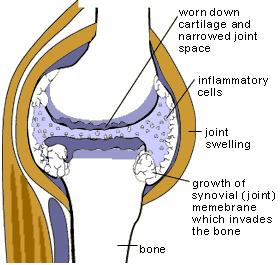
When inflammation happens, chemicals from your body's white blood cells enter your blood or tissues to protect your body from invaders. This raises the blood flow to the area of injury or infection. It can cause redness and warmth. Some of the chemicals cause fluid to leak into your tissues, resulting in swelling. This protective process may trigger nerves and cause pain.
Higher numbers of white blood cells and the things they make inside your joints cause irritation, swelling of the joint lining, and loss of cartilage (cushions at the end of bones) over time.
How Are Inflammatory Diseases Diagnosed?
Your doctor will ask about your medical history and do a physical exam, focusing on:
- The pattern of painful joints and whether there are signs of inflammation
- Whether your joints are stiff in the morning
- Any other symptoms
They’ll also look at the results of X-rays and blood tests for biomarkers such as:
- C-reactive protein (CRP)
- Erythrocyte sedimentation rate (ESR)
Can Inflammation Affect Internal Organs?
Inflammation can affect your organs as part of an autoimmune disorder. The symptoms depend on which organs are affected. For example:
- Inflammation of your heart (myocarditis) may cause shortness of breath or fluid buildup.
- Inflammation of the small tubes that take air to your lungs may cause shortness of breath.
- Inflammation of your kidneys (nephritis) may cause high blood pressure or kidney failure.
You might not have pain with an inflammatory disease, because many organs don’t have many pain-sensitive nerves.
Inflammation Treatment
Treatment for inflammatory diseases may include medications, rest, exercise, and surgery to correct joint damage. Your treatment plan will depend on several things, including your type of disease, your age, the medications you’re taking, your overall health, and how severe the symptoms are.
The goals of treatment are to:
- Correct, control, or slow down the disease process
- Avoid or change activities that aggravate pain
- Ease pain through pain medications and anti-inflammatory drugs
- Keep joint movement and muscle strength through physical therapy
- Lower stress on joints by using braces, splints, or canes as needed
Medications
Many drugs can ease pain, swelling and inflammation. They may also prevent or slow inflammatory disease. Doctors often prescribe more than one. The medications include:
- Nonsteroidal anti-inflammatory drugs (NSAIDs, such as aspirin, ibuprofen, or naproxen)
- Corticosteroids (such as prednisone)
- Antimalarial medications (such as hydroxychloroquine)
- Other medicines known as disease-modifying antirheumatic drugs (DMARDs), including azathioprine, cyclophosphamide, leflunomide, methotrexate, and sulfasalazine
- Biologic drugs such as abatacept, adalimumab, certolizumab, etanercept, infliximab, golimumab, rituximab, and tocilizumab
Some of these are also used to treat conditions such as cancer or inflammatory bowel disease, or to prevent organ rejection after a transplant. But when "chemotherapy" types of medications (such as methotrexate or cyclophosphamide) are used to treat inflammatory diseases, they tend to have lower doses and less risk of side effects than when they’re prescribed for cancer treatment.
If your doctor prescribes any medication, it’s important that you meet with them regularly so they can watch for side effects.
Home remedies
Some ways to ease long-term inflammation include:
- Quit smoking.
- Limit how much alcohol you drink.
- Keep a healthy weight.
- Manage stress.
- Get regular physical activity.
- Try supplements such as omega-3 fatty acids, white willow bark, curcumin, green tea, or capsaicin. Magnesium and vitamins B6, C, D, and E also have some anti-inflammatory effects. Talk with your doctor before starting any supplement.
Surgery
You may need surgery if inflammation has severely damaged your joints. Common procedures include:
- Arthroscopy. Your doctor makes a few small cuts around the affected joint. They insert thin instruments to fix tears, repair damaged tissue, or take out bits of cartilage or bone.
- Osteotomy. Your doctor takes out part of the bone near a damaged joint.
- Synovectomy. All or part of the lining of the joint (called the synovium) is removed if it’s inflamed or has grown too much.
- Arthrodesis. Pins or plates can permanently fuse bones together.
- Joint replacement. Your doctor replaces a damaged joint with an artificial one made of metal, plastic, or ceramic.
Anti-Inflammatory Diet
The things you eat and drink can also play a role in inflammation. For an anti-inflammatory diet, include foods like:
- Tomatoes
- Olive oil
- Leafy green vegetables (spinach, collards)
- Nuts (almonds, walnuts)
- Fatty fish (salmon, tuna, sardines)
- Fruits (berries, oranges)
These things can trigger inflammation, so avoid them as much as you can:
- Refined carbohydrates (white bread)
- Fried foods (French fries)
- Sugary drinks (soda)
- Red and processed meats (beef, hot dogs)
- Margarine, shortening, and lard